The Complete Guide to Choosing Melt-in-Your-Mouth Cocoa Candy Strips
Jump to Section
In the evolving world of confectionery, cocoa candy strips have emerged as a sophisticated alternative to traditional chocolate bars. These ultra-thin, dissolvable films offer an intense burst of flavor with a fraction of the calories, making them a favorite for mindful snackers. However, not all cocoa strips are created equal. Achieving that perfect "melt-in-your-mouth" sensation requires a delicate balance of ingredient quality and manufacturing precision.
Whether you are looking for a quick caffeine-free afternoon pick-me-up or a gourmet palate cleanser, choosing the right strip involves looking past the flashy packaging. In this guide, we will break down the essential components that distinguish a premium cocoa strip from a mediocre imitation.
Understanding Cocoa Purity and Concentration
The soul of any cocoa strip is, unsurprisingly, the cocoa itself. When evaluating different brands, the first thing to look for is the percentage and source of the cocoa solids. High-quality strips typically use premium Dutch-processed cocoa or raw cacao powder to ensure a smooth, non-bitter finish.
Because the strip is so thin, the concentration of flavor is much higher than in a traditional piece of chocolate. You want to look for products that list cocoa or cacao as one of the first three ingredients. If "artificial chocolate flavoring" is the primary driver of taste, the strip will likely leave a waxy film on your tongue rather than disappearing cleanly.
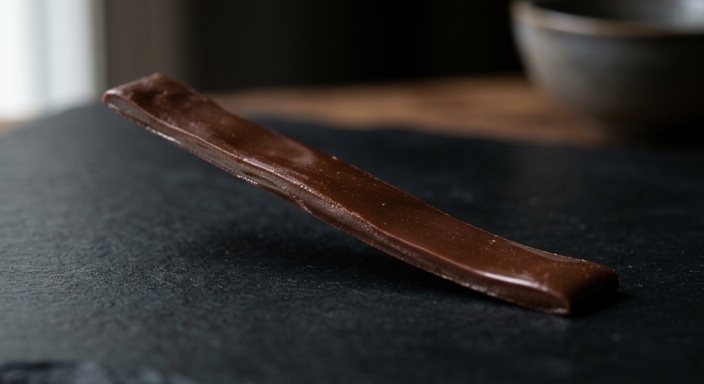
The Science of the Melt: Thickness and Texture
The hallmark of a superior cocoa strip is its dissolution rate. A strip that is too thick will feel like a piece of plastic or fruit leather, requiring chewing. Conversely, a strip that is too thin might break in the packaging or dissolve before you can even register the flavor.
The ideal cocoa strip utilizes "thin-film technology," originally developed for pharmaceutical delivery. This ensures that the strip begins to break down the moment it touches your tongue. This process, known as oral dissolution, releases the cocoa oils and aromatics instantly, flooding the senses without the heavy fat content found in cocoa butter-heavy bars.
Sweetener Profiles: Balancing Health and Taste
Most enthusiasts choose cocoa strips because they are a low-sugar or sugar-free option. However, the type of sweetener used significantly impacts the "melt" and the aftertaste. Here are the most common sweeteners you'll encounter:
- Monk Fruit & Stevia: Natural, zero-calorie options that provide high sweetness. Look for brands that blend these to avoid the bitter aftertaste sometimes associated with pure stevia.
- Erythritol: Provides a slight "cooling" sensation on the tongue, which can complement the richness of the cocoa.
- Coconut Sugar: A low-glycemic natural sugar that adds a hint of caramel flavor but introduces a small amount of calories.
Avoid strips that rely heavily on maltitol, as this can cause digestive distress in some people and may interfere with the clean dissolution of the cocoa film.
Packaging and Preservation: Maintaining the Snap
Because cocoa strips are designed to dissolve in moisture, they are incredibly sensitive to humidity. Even a small amount of ambient moisture can cause the strips to stick together or become "gummy" inside the container.
Premium brands will always use moisture-sealed packaging. This usually takes the form of a hard-shell plastic cassette with a flip-top lid or individual foil sachets. If you notice the strips are stuck together in a clump, it is a sign that the packaging has failed or the product was stored in a high-humidity environment. Always check for an airtight seal when purchasing.
Beyond the Basics: Exploring Infused Varieties
While pure cocoa is the gold standard, many modern cocoa strips are infused with functional ingredients or complementary flavors. When choosing an infused strip, ensure the additives don't compromise the texture.
- Mint-Infused: Perfect for post-meal freshness. The menthol should feel crisp, not overpowering.
- Sea Salt: A tiny amount of salt can enhance the perception of sweetness in dark cocoa without adding sugar.
- Caffeine or L-Theanine: Some strips are designed for energy. Ensure these don't have a "chemical" aftertaste, which often happens when synthetic caffeine is used instead of green tea extract.
Your Final Selection Checklist
Before you make your next purchase, run through this quick checklist to ensure you are getting a premium product:
- Transparency: Is the cocoa source mentioned (e.g., Fair Trade, Organic, or specific origin)?
- Ingredient Length: A shorter ingredient list usually indicates a cleaner product.
- No Fillers: Ensure there are no hydrogenated oils or excessive starches used as "bulking agents."
- Clarity: High-quality strips should have a uniform color without spots or crystallization.
Frequently Asked Questions
A high-quality strip should fully dissolve within 15 to 30 seconds of being placed on the tongue without any need for chewing.
Most are! Since they are very thin and often use sugar alternatives like monk fruit or erythritol, they typically contain less than 1 gram of net carbs per serving.
While they are designed for oral dissolution, they will dissolve in hot liquids. However, because they are so small, you would need several strips to flavor a full cup of coffee.
Many are naturally vegan and dairy-free because they use cocoa solids rather than milk powder, but always check the label for "milk solids" if you have an allergy.